City Sparks: Tiny Journeys Between Buildings
Start Where You Stand
Rules That Spark Creativity
Choosing a Landmark as Your North Star
Time-Boxed Expeditions

Layers of Open Maps
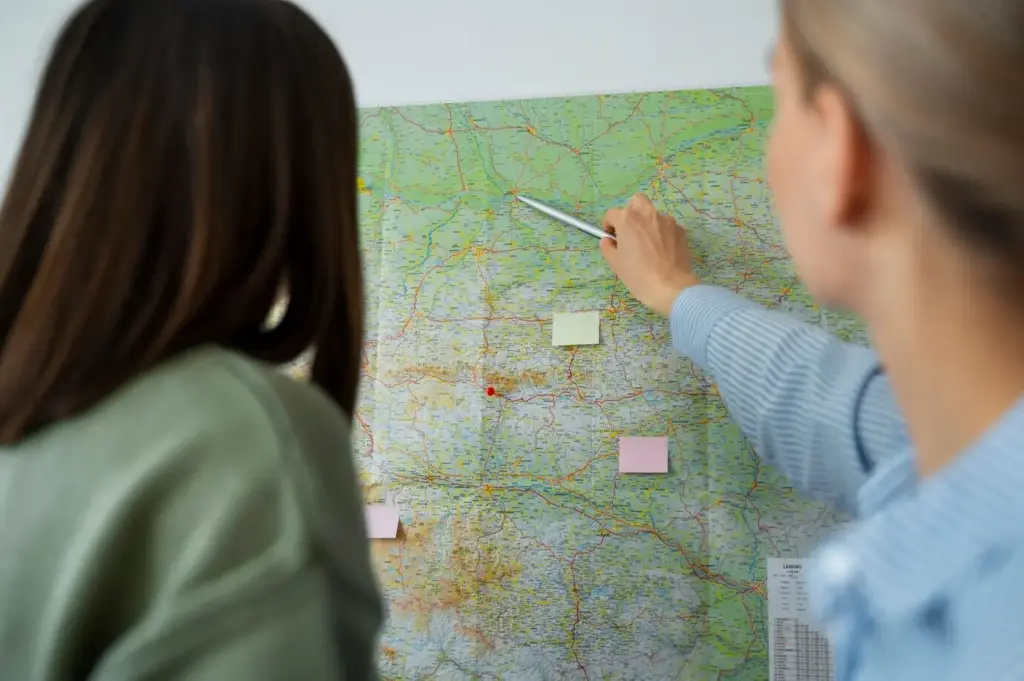
Use open mapping tools to spot pedestrian corridors, pocket parks, greenways, and public viewpoints. Overlay historical data to reveal vanished streets or renamed squares, then compare with present-day layouts. This layering helps uncover quiet alternatives to busy roads and reveals small connectors that make a loop elegant. Mark water fountains, shade, and safe lighting—little comforts that extend your range with confidence.
Stations, Squares, and the Lines Between
Transit stations, even viewed only from public forecourts, act as energetic gateways, while civic squares calm and gather. Trace the lines between them on foot using crosswalks, river paths, and pedestrian bridges. Notice how sightlines, wind corridors, and sound reflections guide you unconsciously. The city becomes readable when you honor these connective tissues, embracing pause points and thresholds as intentional, meaningful parts of the journey.
Micro-Loops and Desire Paths
Design short loops that start and end at the same open landmark—perhaps a library plaza or bridge overlook. Include natural desire paths where foot traffic suggests beloved shortcuts without trespassing. Loops reduce navigation stress and encourage experimentation: you can repeat with small tweaks, reverse the direction, or swap a single segment to discover new textures while keeping orientation secure and simple.
History in Your Footsteps
Statues That Speak
Bridges and Borders
Hidden Civic Art
Lightweight Kit, Big Payoff

Pocket-Size Essentials
Comfort and Care


Challenges and Games to Keep It Fresh

Share, Document, and Connect
All Rights Reserved.